Technology
Recycling plastic
Our plants are equipped to process mixed and contaminated plastics through chemical recycling as well as mixes of various types to convert Plastic2Plastic. The process profitability varies depending on the plastics and/or mix.
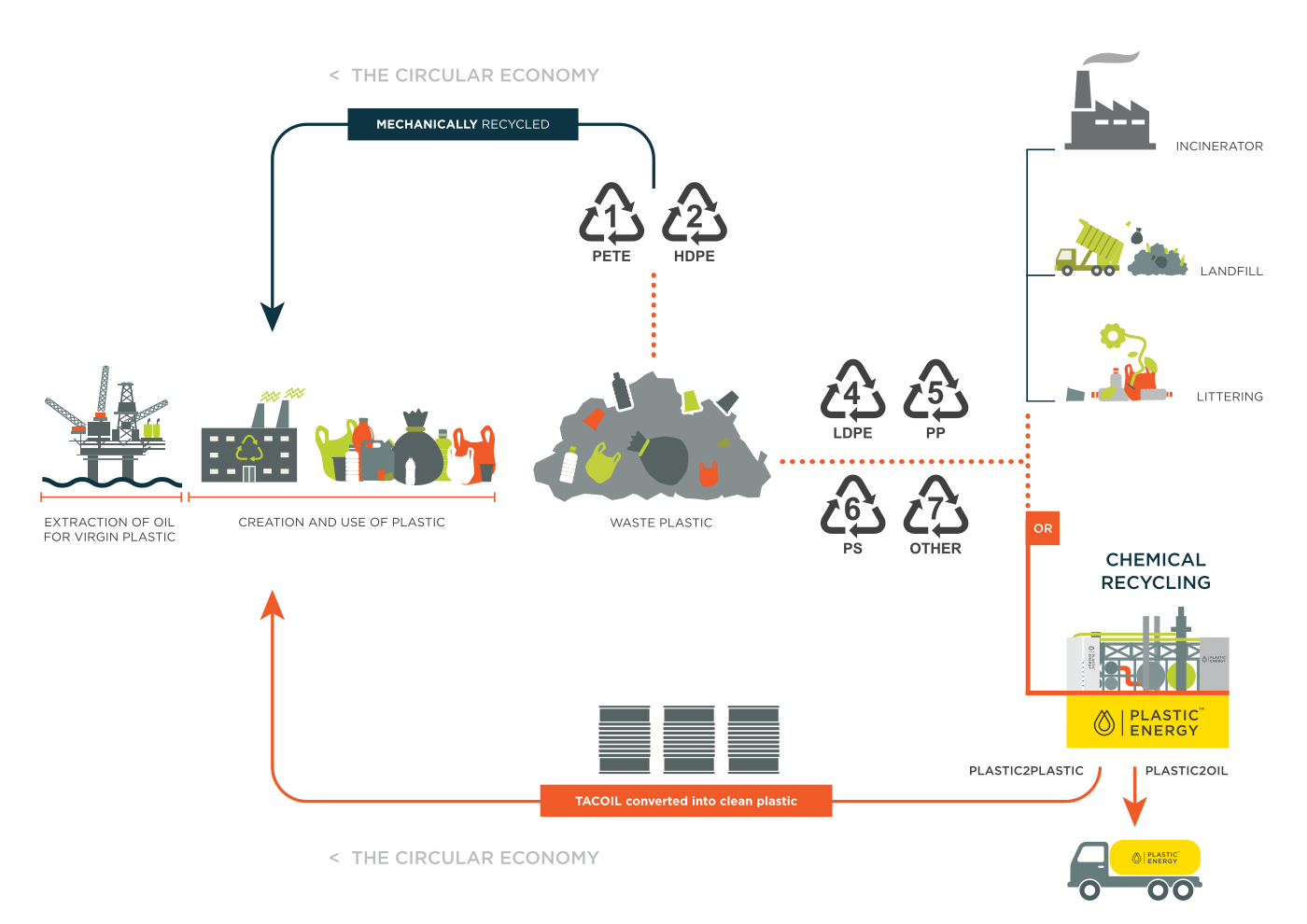
Our process complements that undertaken by mechanical recyclers.
We recycle
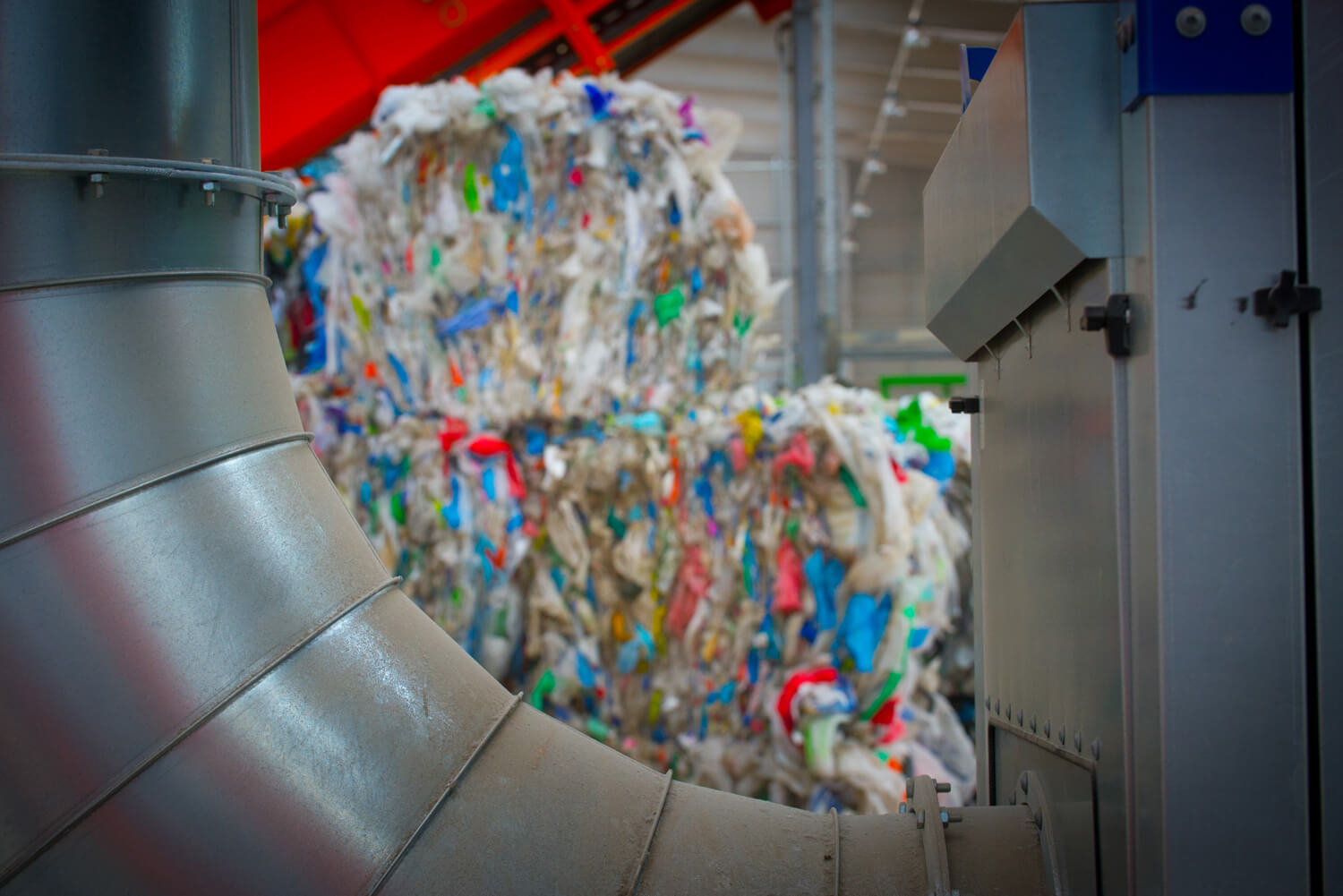
Polypropylene & Polystyrene
Polypropylene: examples include potato bags, drinking straws, containers, tubs, plastic garden settings, baby baths and plastic boxes
Polystyrene: examples include trays, yoghurt and dairy containers, vending cups and produce boxes.
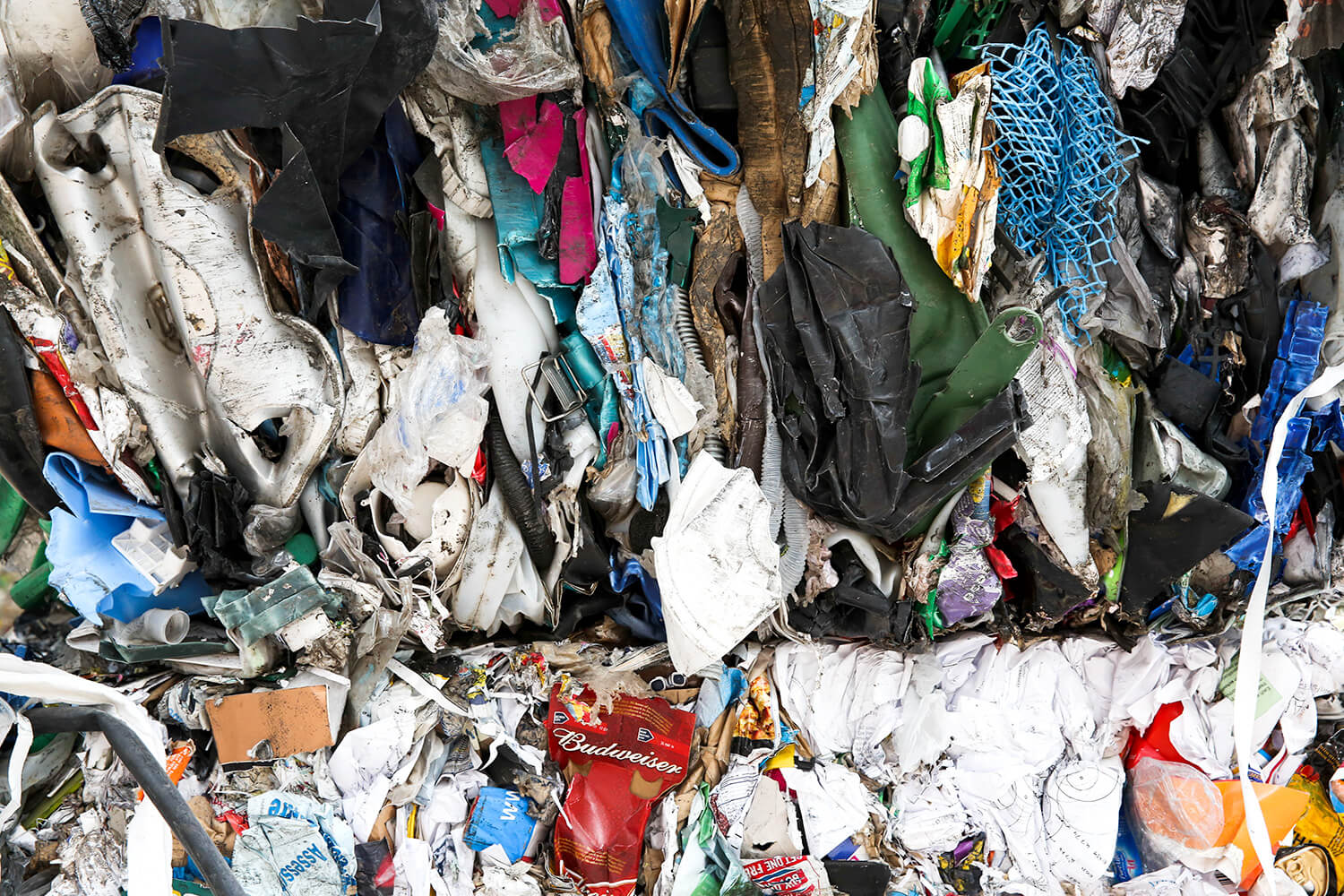
High & Low density Polyethylene
High density polyethylene: examples are crinkly shopping bags, freezer bags, milk bottles, bleach bottles, buckets, rigid pipes and crates.
Low density polyethylene: examples include garbage bags, squeeze bottles, black irrigation tubes and films.
The Process
PLASTIC ENERGY uses its patented Thermal Anaerobic Conversion (TAC) technology to process various types of plastics and complements traditional mechanical recycling efforts and energy recovery activities, as part of the circular economy.
The process reduces the need for incineration, offering an environmentally friendly and profitable alternative for end-of-life plastics.
-
Step 1
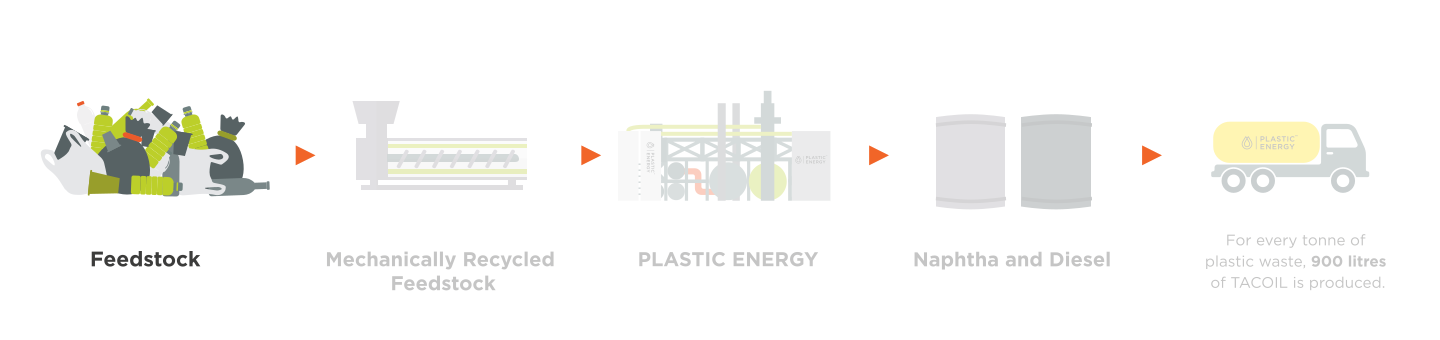
Feedstock
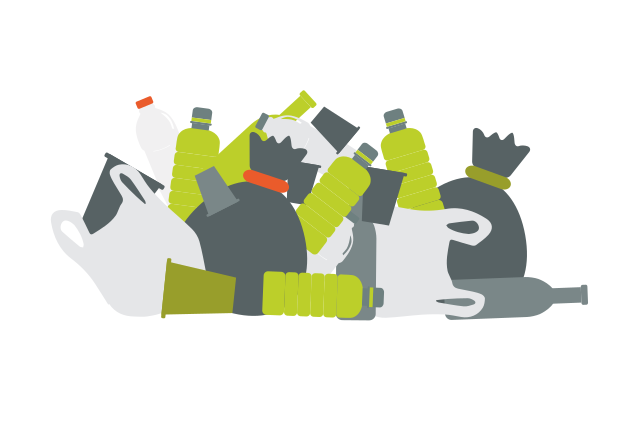
We receive raw plastic waste from municipal recovery facilities and recycling factories. It is delivered in a form that can be readily managed.
-
Step 2
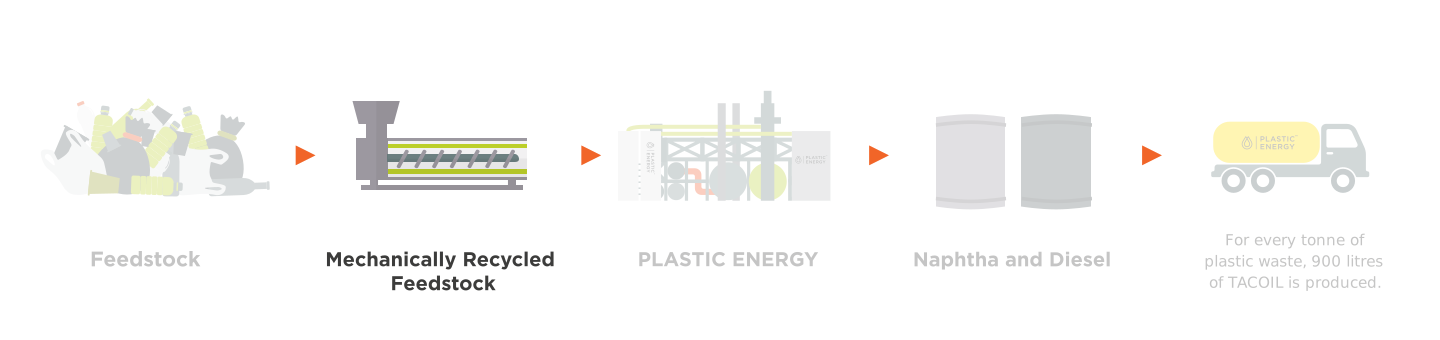
Mechanically Recycled Feedstock
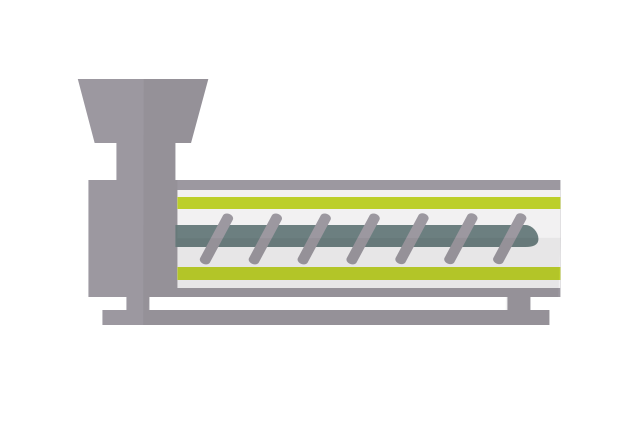
The feedstock is subjected to a pre-treatment to remove some components and meet the quality control standards to feed the plant.
This process:
- Removes metals, heavier plastics and materials, as well as the humidity left in plastic.
- Keeps the types of plastic that we can process (LDPE, HDPE, PS, PP).
-
Step 3
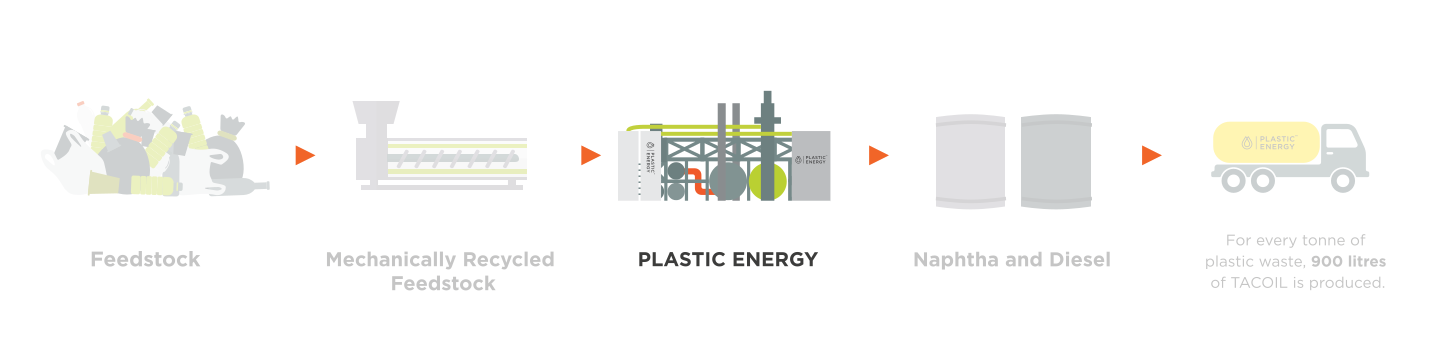
TAC Plant
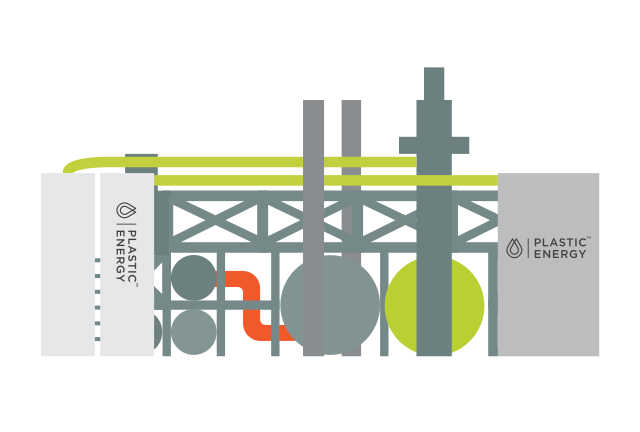
The feedstock is heated in the absence of oxygen until it melts and the polymer molecules break down to form a rich saturated hydrocarbon vapour.
As a result of this thermal anaerobic conversion (TAC), the condensable gases are converted to hydrocarbon products while the non-condensable gases are collected separately and combusted to process energy.
-
Step 4
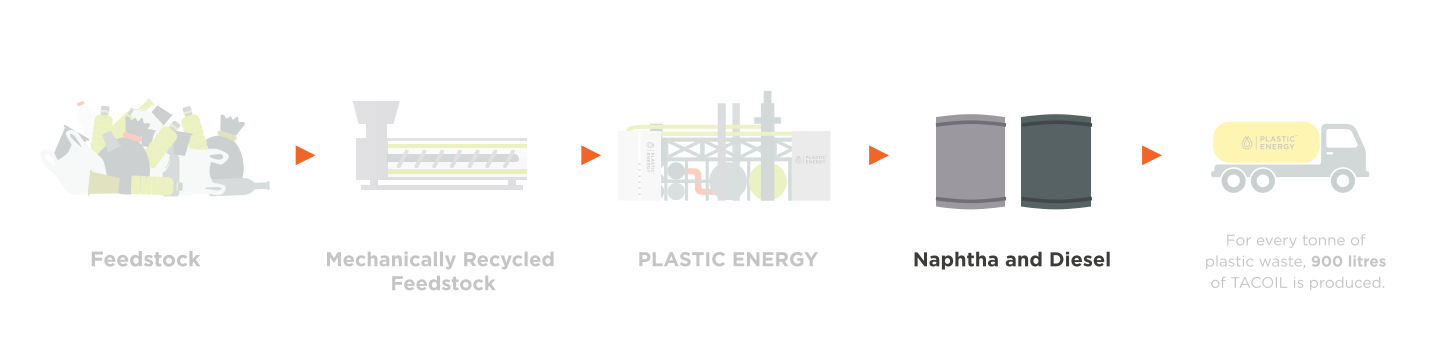
Naphtha and Diesel
The atmospheric distillation columns receive the hydrocarbon vapour and according to molecular weights separates the vapour into raw diesel (greater molecular weight accumulating at the bottom), light oil (at the middle), and synthetic gas components (at the top).
-
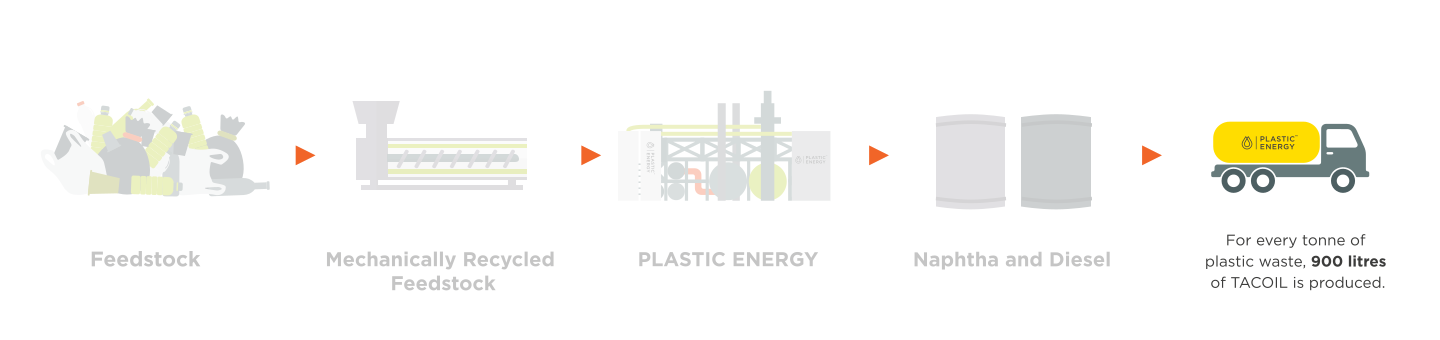
Step 5
Repeat the process
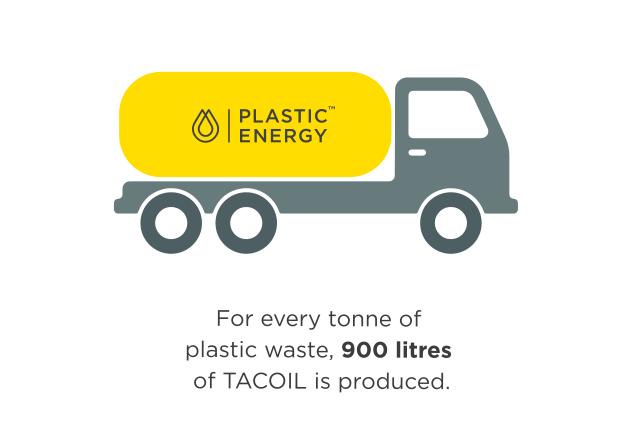
Naphtha and diesel are stored and sold to the petrochemical industry to convert it back into plastic or into transportation fuels.
Synthetic gas us used to make the plant run.
Plastics are heated in an oxygen free environment to prevent them from burning, and then broken into synthetic oils. There is no burning of the plastics but a melting process with emissions well below European limits.
Of the material produced 90 to 95 per cent is usable for synthetic products and the remaining 5 to 10 per cent known as ‘Char’ is a solid for various other uses such as fuel or additive or pigment.