
Plastic Energy
Our mission is to develop a long-term, global, and sustainable solution to one of the world’s greatest problem: the management and recycling of low value plastic waste that cannot be mechanically recycled.
We produce an optimal feedstock (TACOIL) for making new plastic, as well as alternative fuels with a low carbon footprint.
ABOUT PLASTIC ENERGY
PLASTIC ENERGY’s team of technology specialists have more than 10 years’ experience in developing the unique, patented thermal anaerobic conversion (TAC) process.
This enables the conversion of end-of-life contaminated plastic into chemical feedstock and back into plastic (Plastic2Plastic).
Our position as the first mover cannot be challenged because we are the only company worldwide that owns and operates two industrial plants and have managed to stabilise the production of chemical feedstock to enable a conversion into plastic.



A solution to plastic pollution
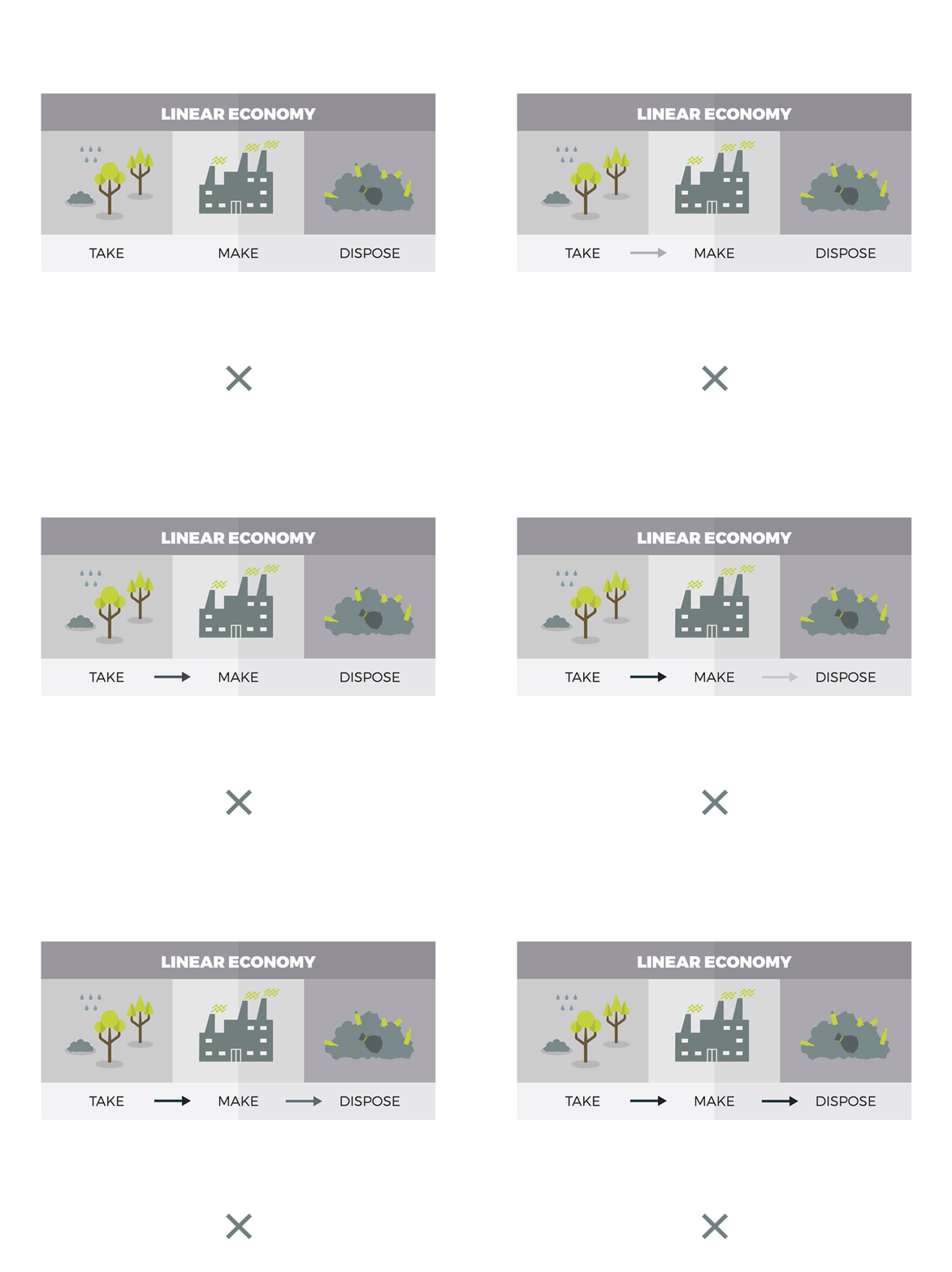
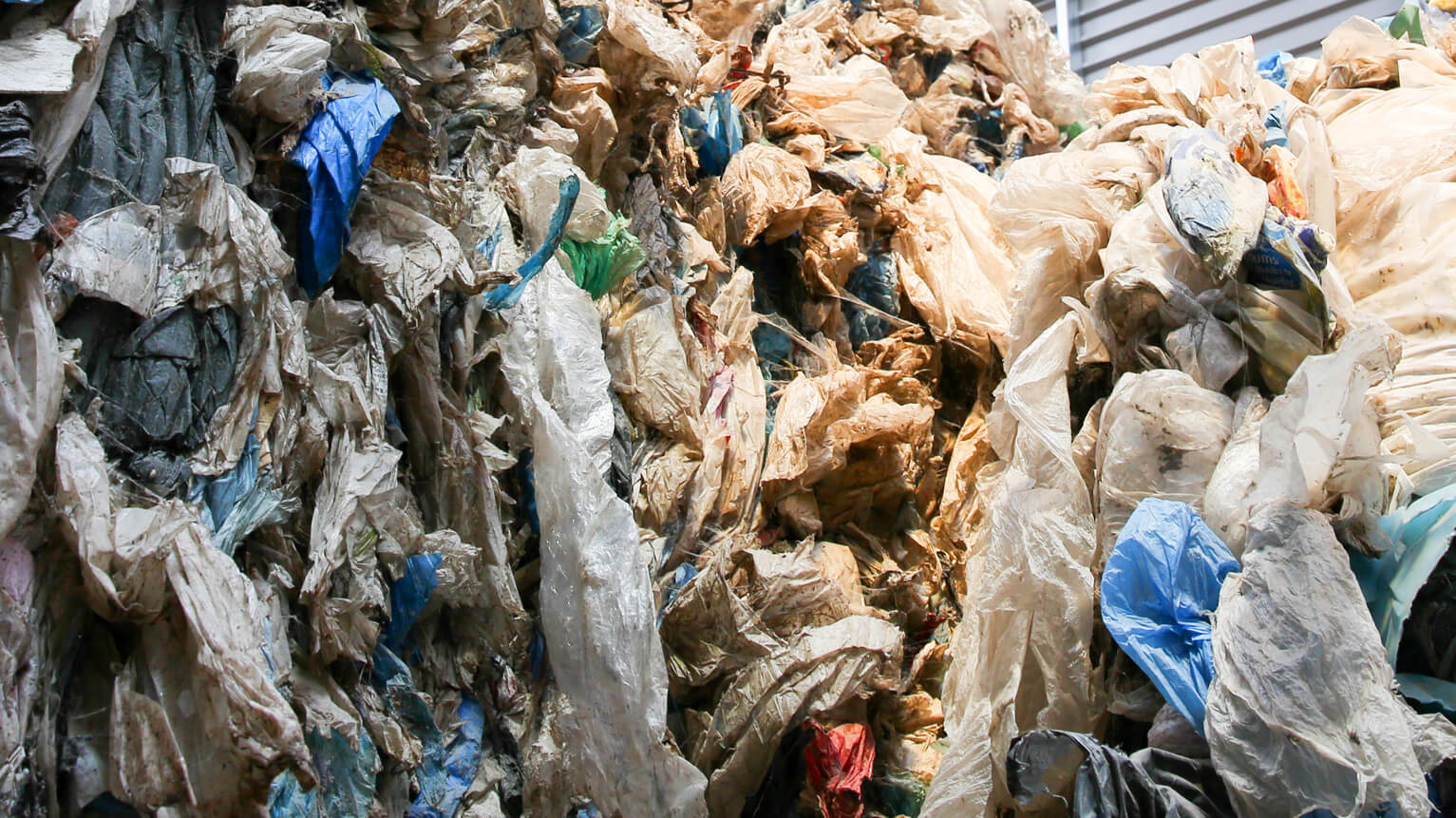
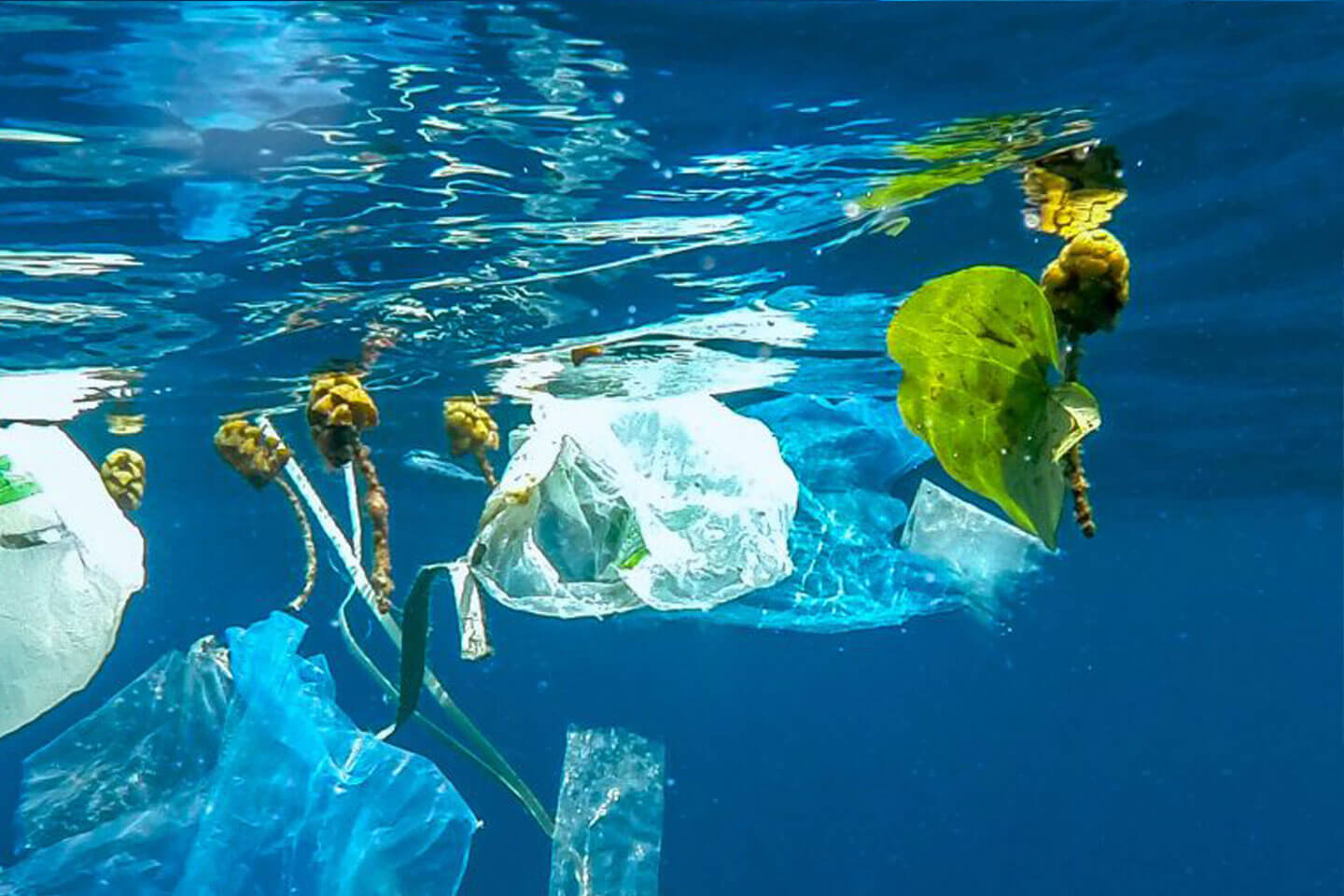
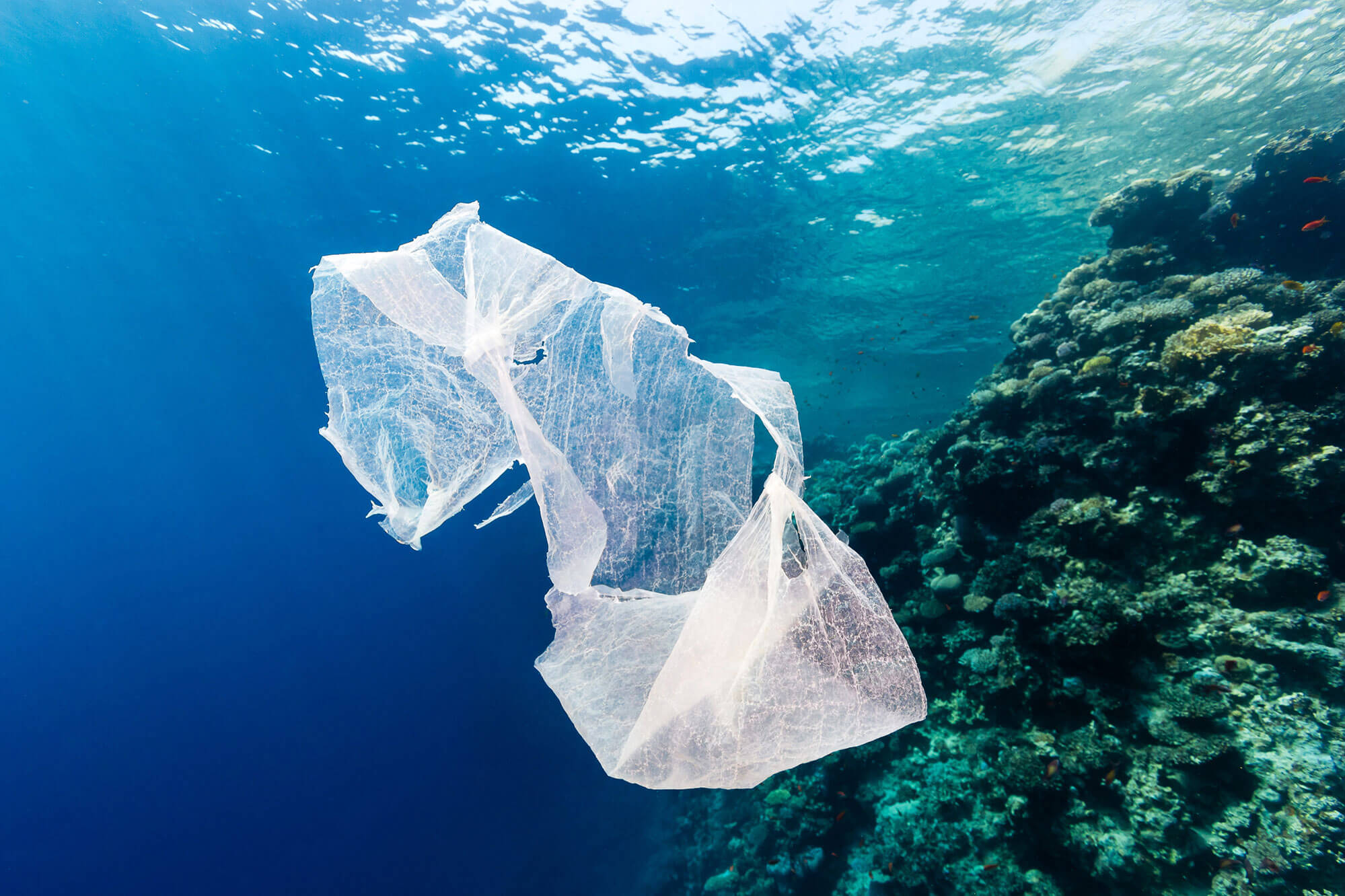
The use of plastics has increased twentyfold in the past half-century and is expected to double in the next 20 years. Although some of this plastic can be mechanically recycled, a large portion is composed of contaminated and low-value plastics that end up incinerated, in landfills, or polluting our oceans.
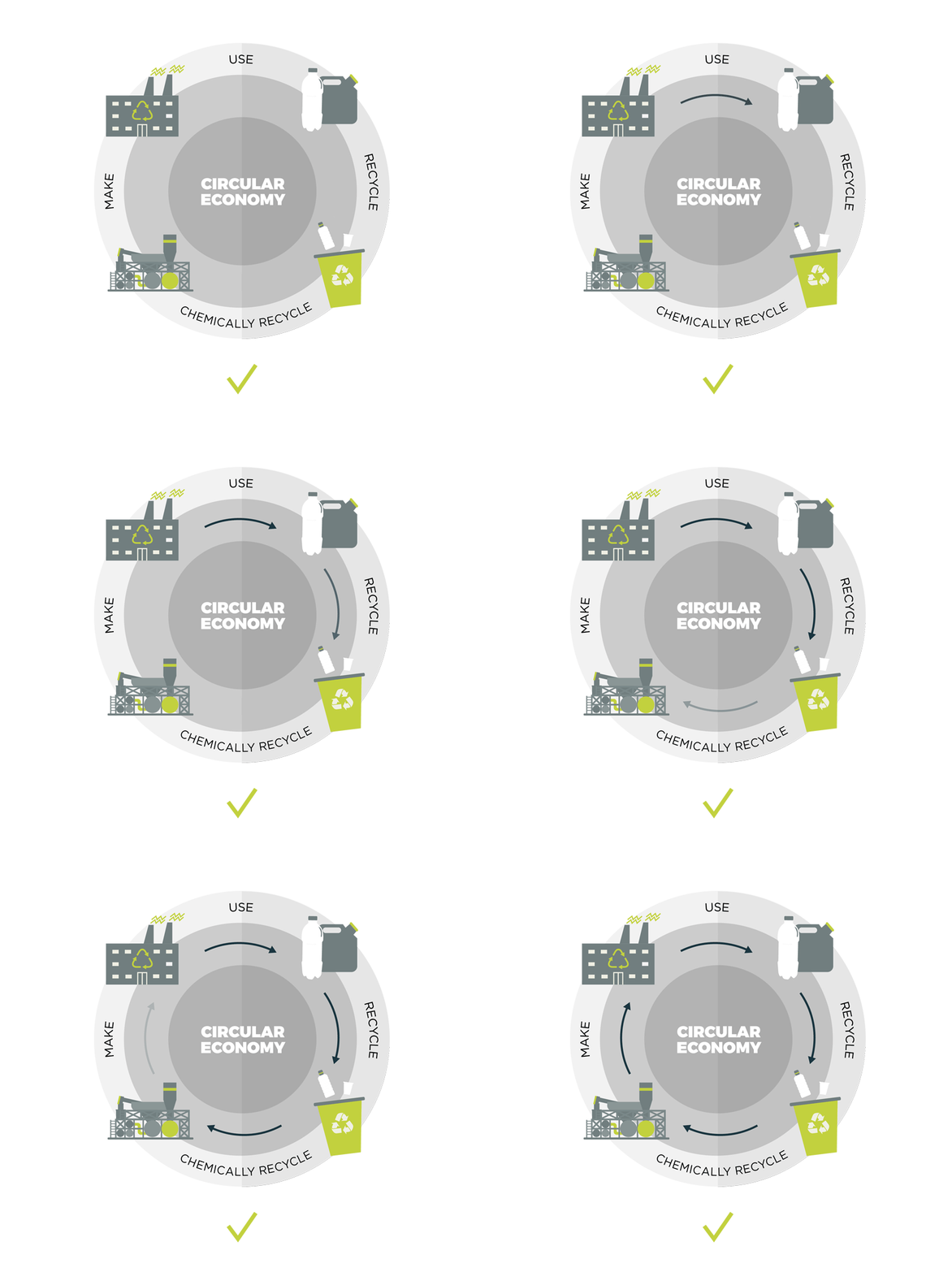
PLASTIC ENERGY with its technology has a solution to recycle existing end-of-life plastic to endlessly reuse it and create a circular economy of plastic. The conversion from plastic to plastic prevents plastic pollution and puts to use as much as possible of the $300 billion worth of plastic dumped in landfills each year.
Every day more than one million tonnes of plastic are produced worldwide After a short first-use cycle, 95 per cent of plastic packaging is lost to the economy and every year more than eight million tonnes of plastic waste leaks into the world’s oceans.
We put waste plastic to good use through a unique process called Thermal Anaerobic Conversion (TAC), extracting usable energy materials from plastic that would otherwise be buried in landfills or burnt.
20x
The use of plastics has increased twentyfold in the past half-century

1m+
Every day more than one million tonnes of plastic are produced worldwide

95%
Of plastic packaging is lost to the economy
Headquarters
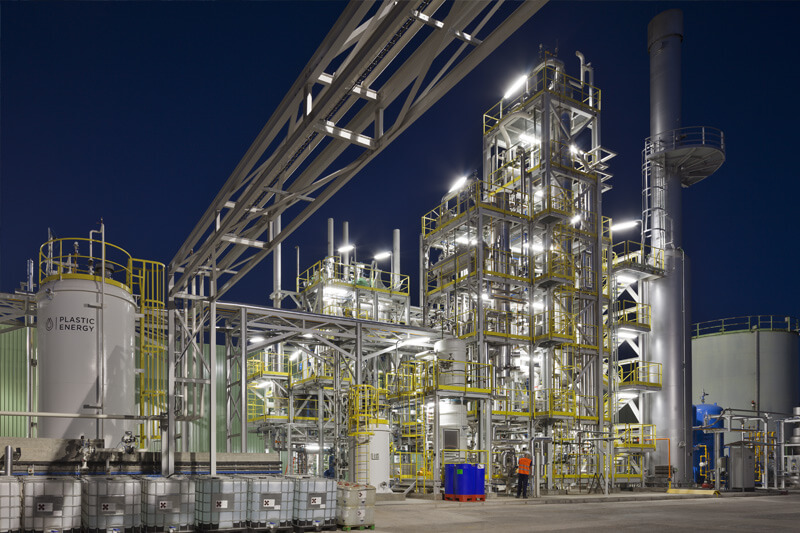
Our Technology HQ is in the UK and we have chemical recycling plants in Seville and Almeria (Spain) - operational since 2014 and 2017. They produce the chemical feedstock supporting the conversion of Plastic2Plastic.
Our modular TAC plans produce 850 litres of output for every tonne of processed contaminated plastic waste.

We want to drive the adoption of the circular economy.
The Circular Economy
By recycling end-of-life contaminated plastic waste, we want to support the circular economy of plastics. This involves diverting both existing contaminated plastic waste from landfills and from the oceans as well as managing future ones to ultimately recycle it through our TAC process.
Closing the plastic loop would dramatically improve the environment and create employment. The nature of our technology points at PLASTIC ENERGY clear commitment to our social and environmental responsibilities.